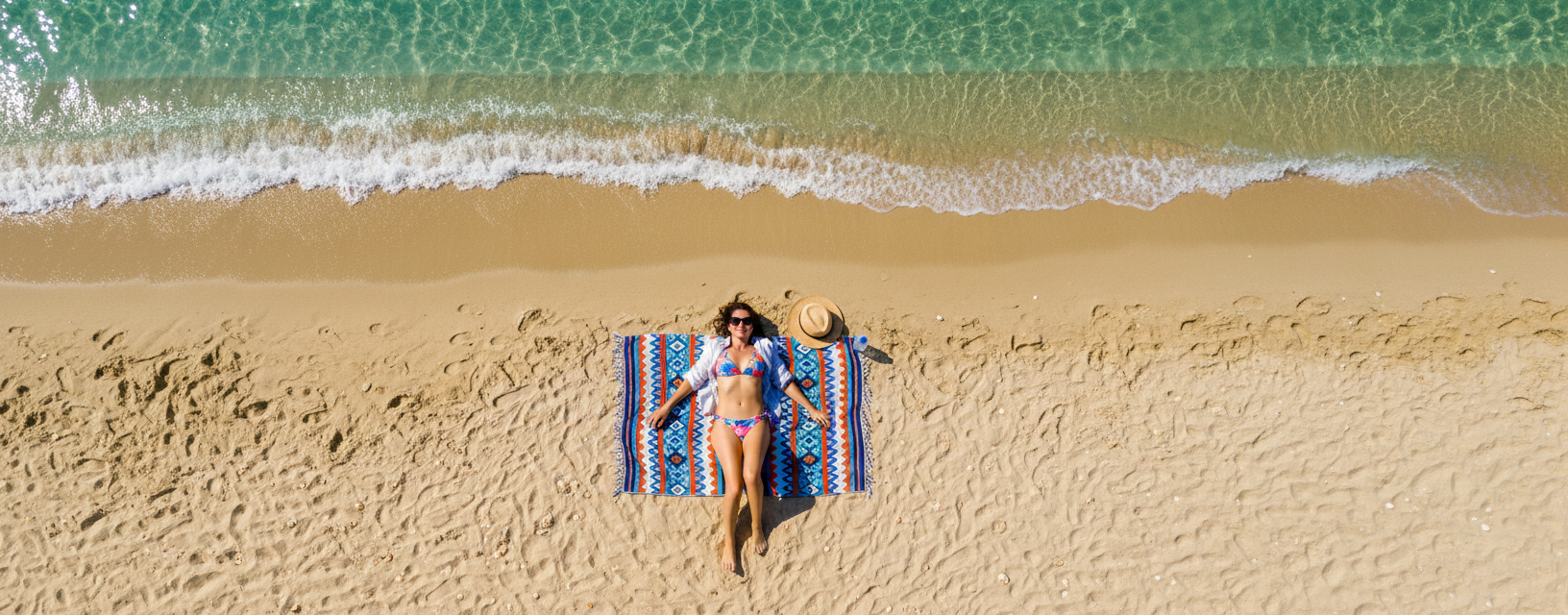
Why UV Protection for Eyes Matters
Just as we protect our skin from UV to reduce the risk of skin cancer, it’s equally important to protect our eyes from ultraviolet (UV) radiation. UV rays are invisible sunlight wavelengths that can reach the eye from all directions—not just straight on—and can damage eye tissues over time.
💡 Did you know? Up to 80% of UV radiation can still reach your eyes on cloudy days, meaning protection is needed year‑round.
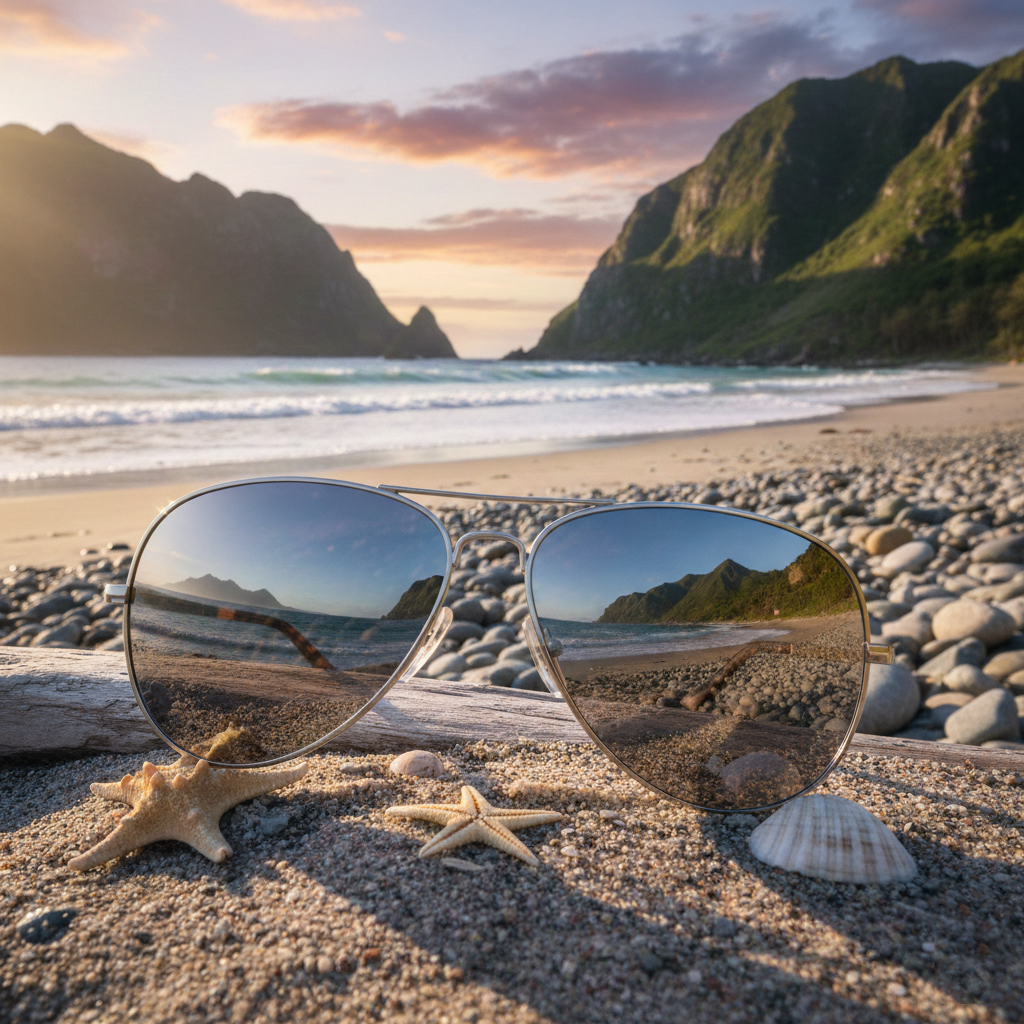
Conditions Linked to UV Exposure
Extended exposure to UV and high‑energy visible (HEV or blue) light has been linked to several eye conditions:
Cataracts & Macular Degeneration
UV exposure contributes to the clouding of the eye's natural lens (cataracts) and increases the risk of retinal damage over the long term.

Surface Growths
Pingueculae and pterygia are fleshy growths on the eye surface often caused by UV, wind, and dust.

Photokeratitis
Often described as "sunburn of the cornea," this painful condition occurs after high-intensity UV exposure (like reflection off snow or water).
Children’s eyes are more vulnerable—a large proportion of lifetime UV exposure occurs during childhood.
How UV Reaches the Eye
UV rays are classified into three types, each affecting the eye differently:
- - UVA (315–400 nm): Penetrates deeper into the eye, reaching the lens and retina.
- - UVB (280–315 nm): Partially filtered but can cause sunburn and deeper tissue damage.
- - UVC (100–280 nm): Mostly blocked by the ozone layer, but dangerous if it reaches the surface.
Remember: Reflected UV off snow, water, sand, or buildings can significantly increase your total exposure.
Choosing the Right Sunglasses
To properly protect your eyes outdoors, look for these features:
- - 🛡️ 100% UV Protection: Or a UV400 rating (blocks all rays up to 400nm).
- - 🕶️ Wrap-around Styles: To block rays from the top, sides, and reflections.
- - 💎 Impact Resistance: Polycarbonate or Trivex lenses are recommended for active use.
- - ✨ Polarized Lenses: These reduce glare but must be combined with UV filters for full protection.
Note: Lens darkness is not an indicator of UV protection. Dark lenses without UV filters can actually be more harmful as they cause the pupil to dilate, letting in more UV rays.
UV protection is a year-round necessity, even on cloudy days and during winter.
References
1. National Eye Institute. Protecting your eyes from the sun’s UV light.
2. Cancer Council. Protecting your eyes from the sun.
3. American Macular Degeneration Foundation. UV and blue light risk factors.
4. Skin Cancer Foundation. The sun & your eyes.
5. Cancer Council Australia. Fact sheet: Eye protection and UV exposure.